Church bells as a wartime alarm, and a new view of the belfry
An article from Tring Bell Tower by Johanna Morgan on the wartime role of church bells, and the new video link from the ringing room to the bells.
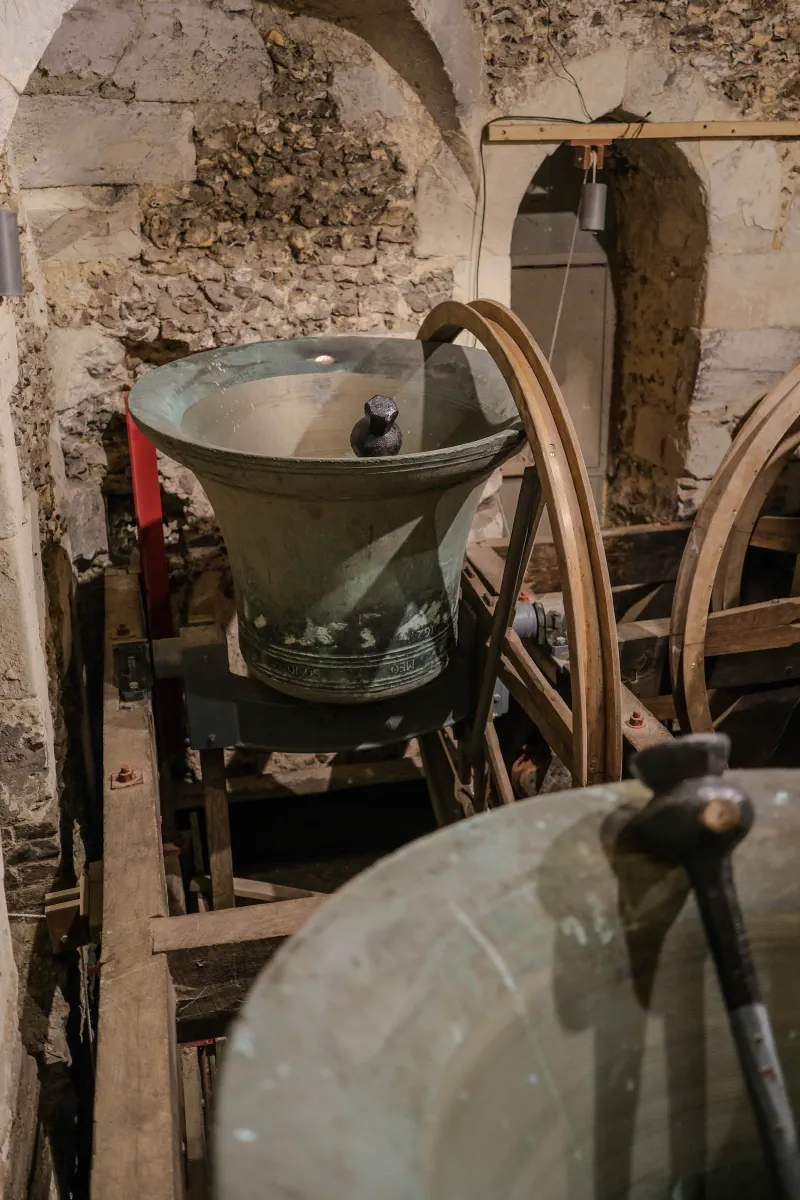
Church bells have always been far more than timekeepers. For centuries they have marked celebrations, called communities together and sounded the alarm.
Many bells have names, too. A famous example is the great Emmanuel bell at Notre-Dame Cathedral in Paris, named by King Louis XIV.
Church bells have also played an important role in national emergencies. Following the evacuation of Dunkirk in June 1940, the British Government banned the ringing of church bells across the country, reserving them solely as an alarm to alert the Home Guard and local civilians that an invasion from Germany had begun.
The bells were to be rung in reverse rounds to create an unmistakable warning. In normal rounds, bells are rung from the highest to the lowest pitch. Ringing them in reverse rounds for an extended period would therefore have sounded alarming to those who knew what it meant, while being difficult for an enemy to interpret.
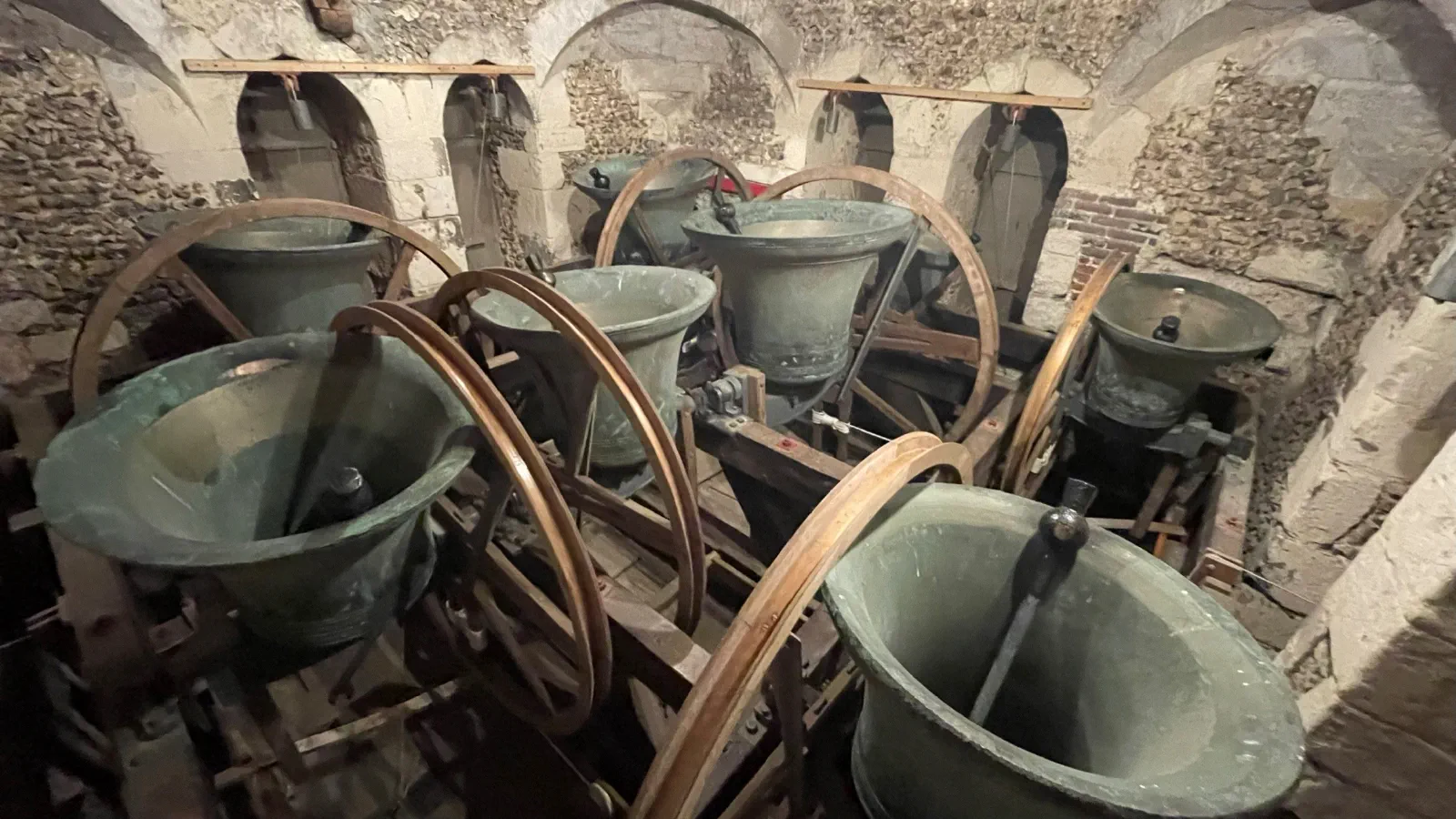
Here at Tring Bell Tower, we have recently added a video link from the ringing room to the bells in the belfry above. This means that ringers can now see how the bells move when they pull the ropes.
The installation is thanks to bellringer Will, who had the idea and made it happen: “He who has the vision gets the mission!” It is especially useful for new ringers, who can sometimes find it difficult to imagine exactly how the bells above their heads are moving.
Come along on any Tuesday at 7pm to the church door, but please let us know first at:
Johanna Morgan
Tring Bell Tower