Bell ringing as living heritage
An article first published in The Ringing World, reflecting on learning to ring at Tring and the value of bell ringing as living heritage.
This article first appeared in the February 2026 edition of The Ringing World. It was published alongside an article by Matt Rabagliati on the UK’s ratification of the UNESCO 2003 Convention for the Safeguarding of the Intangible Cultural Heritage, and what this could mean for bell ringing.
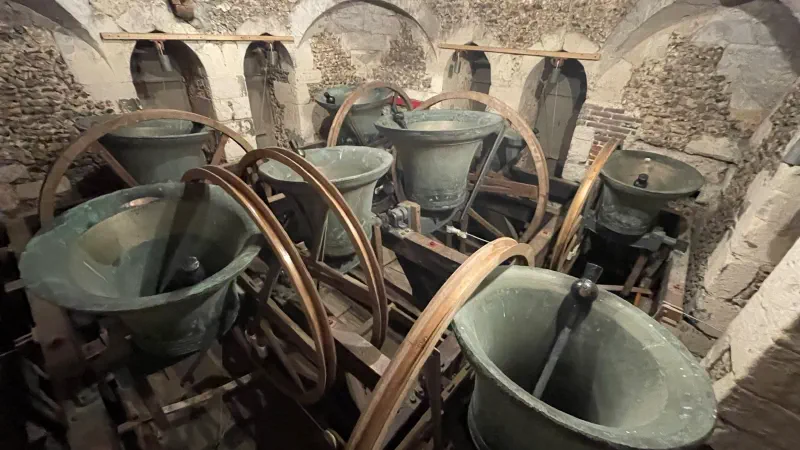
For the past seven months, I have entered the world of bell ringing in my local tower in Tring, Hertfordshire.
It began, as many good things do, by accident. A “have a go” session at the church fete last summer instantly hooked me. With the generous patience and encouragement of the Tring tower captain, Philip Dobson, and many others including the Berkhamsted tower captain, Mike Below, I soon found myself learning the rudiments of Plain Hunt, and taking part in service ringing and VJ Day commemorations.
That same sense of openness extended beyond my local tower. While walking over the hills in Wales last summer, I heard bells from a nearby church and decided to see if I could join the ringing. Having already learned how to handle a rope, I was welcomed in and went on to ring in both Welsh and English churches along the River Wye. Diolch.
Looking at bell ringing through a living heritage lens has sharpened what I notice about it. It is a deeply social and shared endeavour, built on trust, listening and collective rhythm. It takes place in the towers of our most beautiful medieval buildings. I enjoy making new friends and learning a new skill that requires simultaneous mental and physical agility. Above all, I find its all-encompassing nature offers a rare pause from modern life. For an hour or two every Tuesday, emails, headlines and screens fall away, replaced by rope, sound, timing, teamwork and a methods book that never quite seems to make sense.
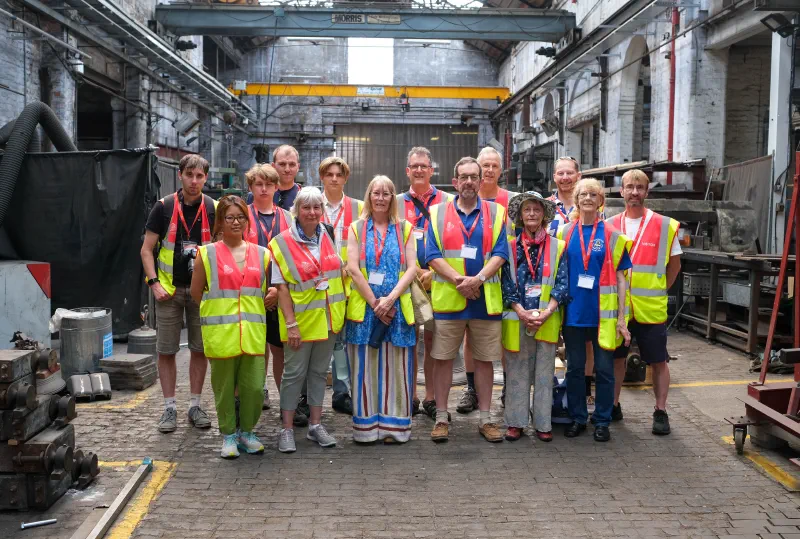
Each week, ten to fifteen of us gather in Tring tower to practise. We come from different professions, backgrounds and generations, united by a shared commitment to making something work together. No one can ring alone. Each person depends on the others. Teamwork and cooperation become, quite literally, audible.
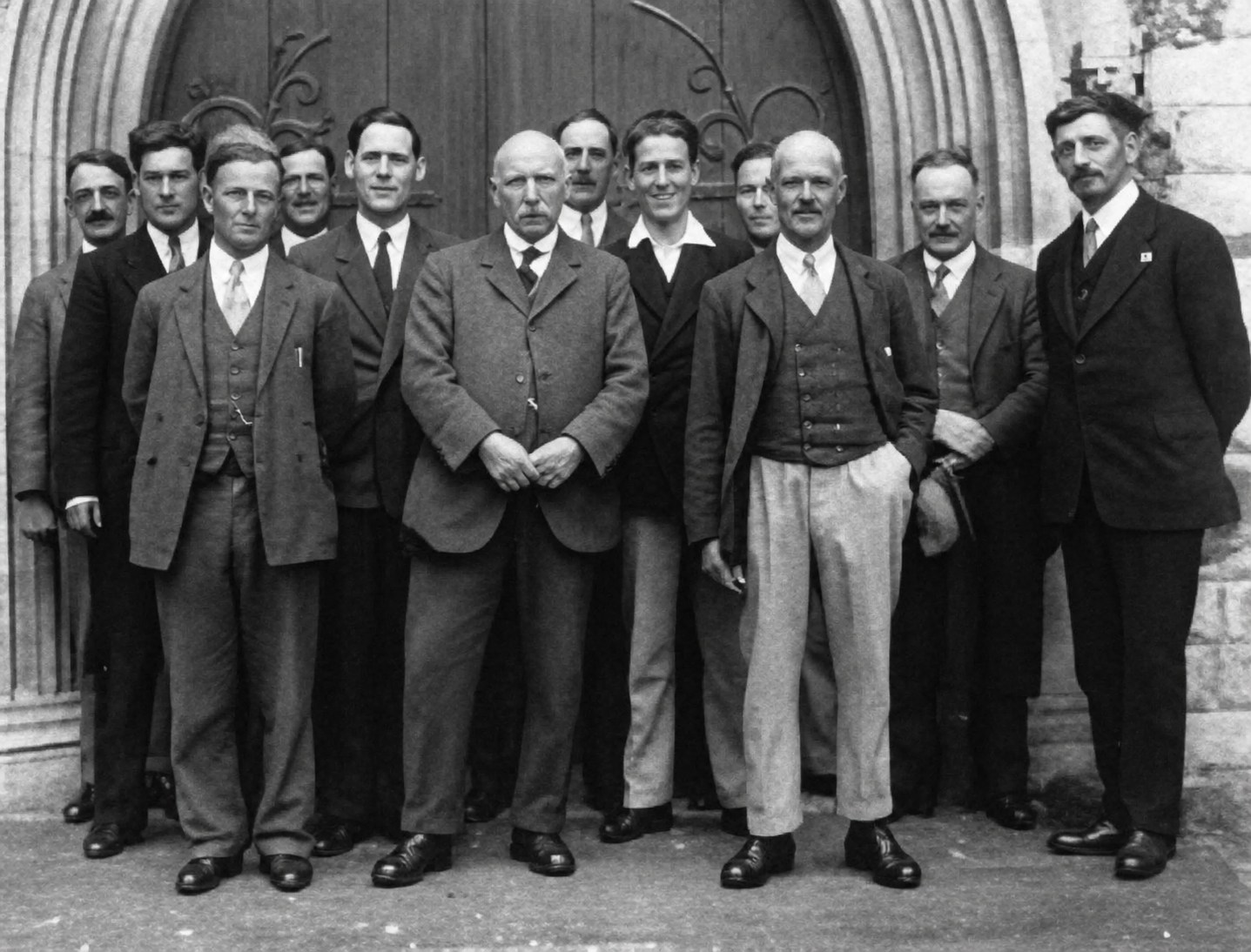
The intergenerational nature of the tradition is particularly striking. In many towers like Tring, the names of local ringers stretching back more than 150 years are recorded on boards lining the walls. Standing among them, you feel part of a long human chain, not of perfection (though ringing consistently for a three-hour peal is impressive) but of continuity. I hope that when my daughter is old enough to learn, she too might one day take hold of the rope.
In this way, bell ringing carries the accumulated effort of generations. People turn up week after week, teach newcomers like myself, maintain equipment, practise local methods, and keep a shared practice alive. As society changes, and as the religious symbolism of churches continues to evolve, bell ringing also reveals new forms of value. It offers non-screen time, physical coordination, mental focus, teamwork and connection. These are increasingly rare experiences, and important for wellbeing and community cohesion.
For all these reasons, bell ringing feels a very worthy candidate for recognition as part of the UK’s living heritage. Not because bell ringing needs to be placed on a pedestal, but because recognising it helps articulate the quiet truth that traditions often endure not through obligation, but through community.
The first UK representative to UNESCO, the writer J. B. Priestley, wrote during his travels across England about the “Little England”: the small, local traditions quietly handed down, and deeply worth valuing.
Living heritage survives in the same way. Because people choose, again and again, to turn up.
And on a Tuesday night in Tring, that choice still rings loud.
Published in The Ringing World
This article appeared in the February 2026 edition of The Ringing World, alongside an article by Matt on the UK’s ratification of the UNESCO 2003 Convention for the Safeguarding of the Intangible Cultural Heritage and what this could mean for bellringing and living heritage in the UK.
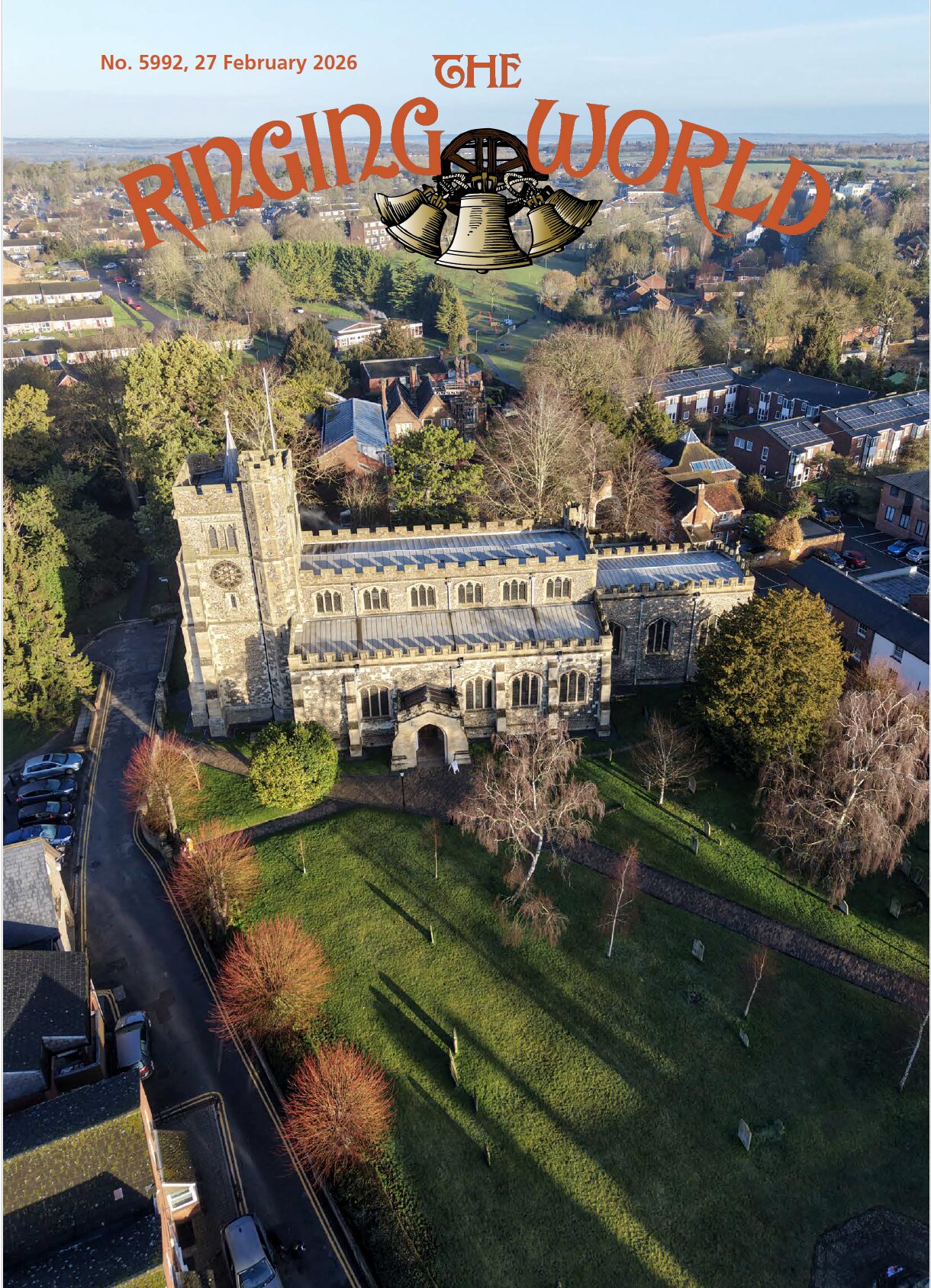
The Ringing World, February 2026 edition